
Smash Burgers for Beginners: How to Nail Your First One
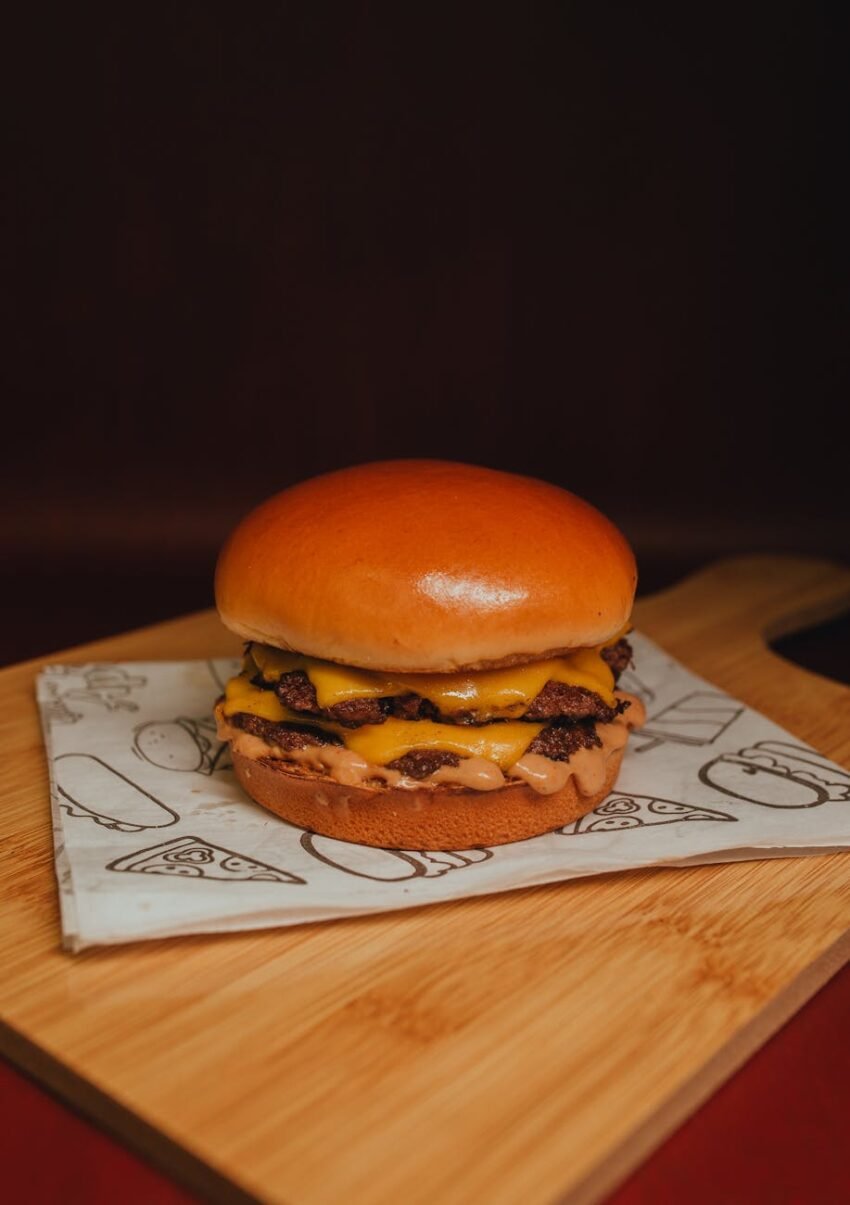
Think smash burgers are restaurant food only? They’re one of the easiest burgers to get right on a first try.
The magic is simple: a hot flat surface, a small ball of beef, one firm press, and a fast cook. Instead of a thick burger that can turn gray and dry in the middle, you get thin patties with crisp edges, juicy bites, and that classic diner-style flavor people go quiet for.
If you’re cooking for a cookout, a small party, or your next casual hang with friends, this guide keeps it easy and low-stress.
Start with the right setup so cooking feels easy
A great first burger starts before the pan gets hot. You don’t need a fancy flat top or a backyard setup that looks like a food truck. You need a few smart basics and enough space to move without panic.
A cast iron skillet is perfect. A griddle or flat top works too. The goal is a surface that holds high heat and gives the beef room to make contact. That’s what builds the crust.
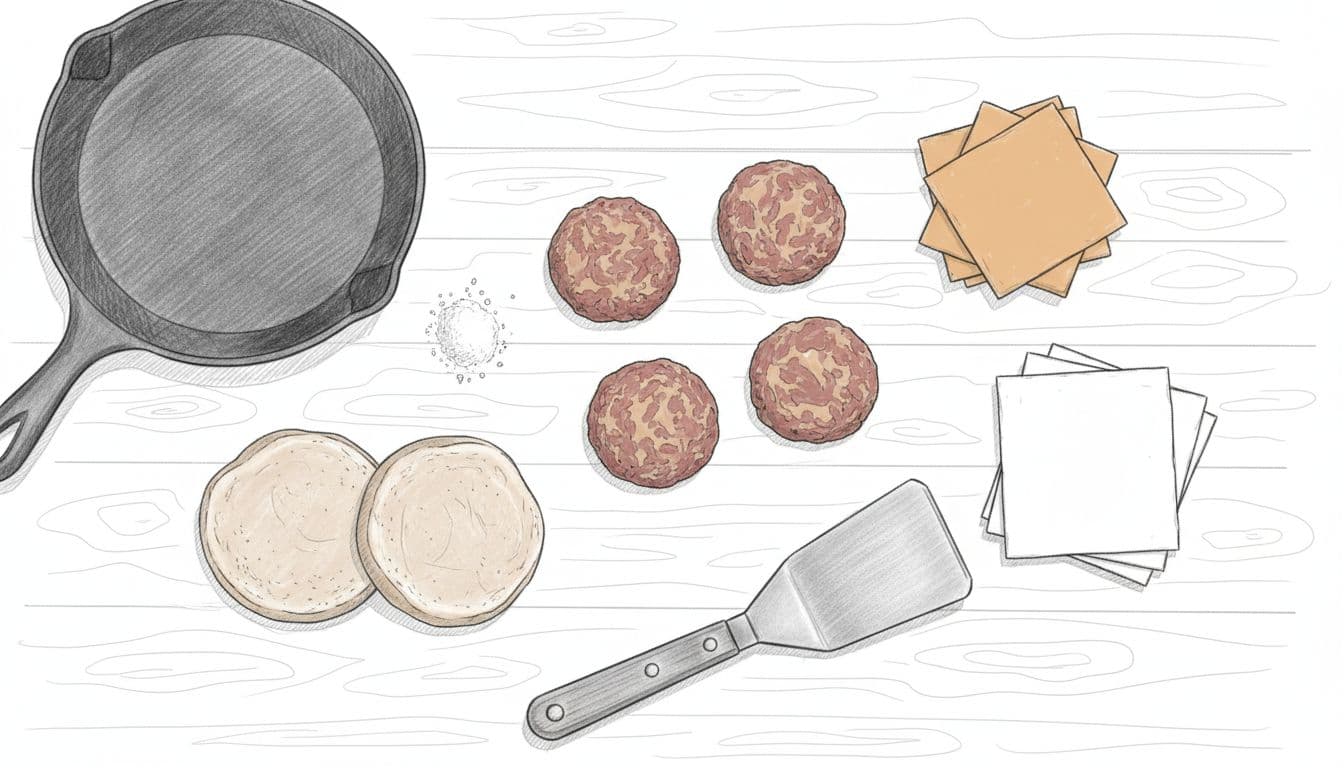
Keep the ingredient list short. Ground beef, soft buns, cheese, salt, pepper, and two or three toppings are enough. That’s it. Don’t crowd your counter with ten sauces and five kinds of lettuce. Your first win comes from simple choices.
The best beef, buns, and cheese for your first smash burger
Start with 80/20 ground beef. That fat ratio gives you flavor, browning, and a juicy finish. Lean beef sounds healthy, but it cooks up drier and less forgiving. For beginners, 80/20 is the easy choice.
For buns, go soft. Potato buns are ideal because they toast well and compress nicely without falling apart. Brioche works too, as long as it isn’t too sweet. Big bakery buns can overpower a thin patty, so keep the scale sensible.
Cheese should melt fast and clean. American is the classic for a reason. It hugs the meat, melts evenly, and makes the burger feel finished in seconds. Cheddar can work, but it doesn’t melt as smoothly unless sliced thin.
The few tools that make smashing safer and cleaner
You only need a few things to make smash burgers without turning the stove into a war zone.
A sturdy metal spatula is the big one. Thin, flexible spatulas struggle to press and scrape. If you have a burger press, great, but a strong spatula does the job. Parchment paper squares help even more. Put one between the beef and the spatula so nothing sticks when you press down.
A second spatula or scraper helps lift the patty cleanly once the crust forms. That’s a small tool with a big payoff. If you already own an instant-read thermometer, fine, but you probably won’t need it here because these patties cook fast and thin.
The less gear you juggle, the easier it is to stay relaxed and cook with confidence.
Follow this step-by-step method for crisp edges and a juicy center
This is where smash burgers go from “maybe” to “why didn’t I do this sooner?” The whole process moves fast, so a little prep makes a huge difference.
How to portion, preheat, and smash the patties the right way
Divide your beef into loose balls, about 2 to 3 ounces each. Don’t pack them tight like meatballs. Loose beef makes better edges and a more tender bite.
Set your skillet or griddle over medium-high to high heat and let it fully preheat. Not warm. Not “probably hot enough.” You want the surface hot enough that the beef starts sizzling on contact. A cold pan is one of the fastest ways to get pale, sad burgers.
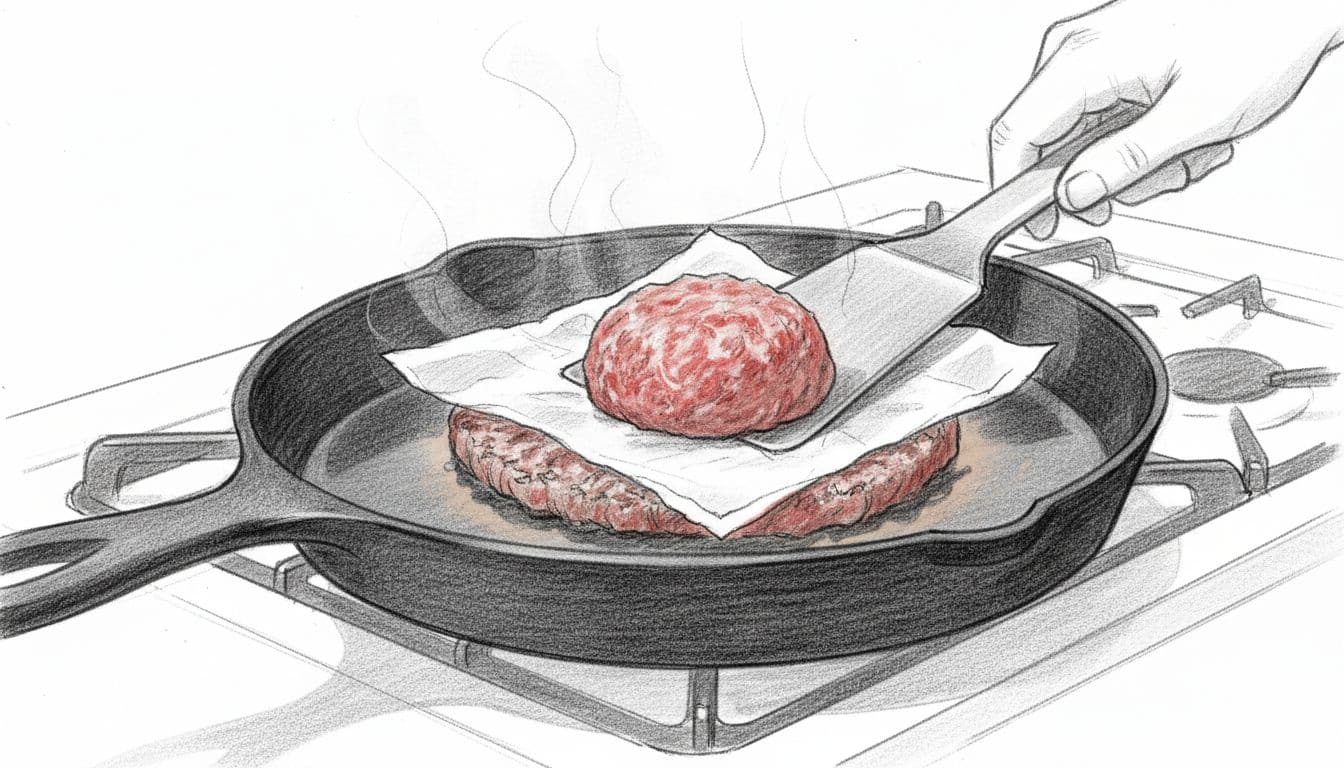
Place a beef ball on the pan. Put a parchment square on top, then press straight down hard with your spatula or press. Smash once and stop. That’s the move. If you keep pressing later, you squeeze out juices and lose tenderness.
Season right after the smash with salt and pepper. Then leave the patty alone. No nudging. No swirling it around. Let the crust build.
If you’re cooking for a group, work in batches instead of overcrowding the pan. Too many patties drop the heat, and that beautiful crust never shows up.
When to flip, add cheese, and toast the buns
So, when do you flip? Watch the edges. Once they look deeply browned and a little lacy, usually after 60 to 90 seconds, slide your scraper under the patty in one quick motion. Scrape with confidence. That crust wants to stick a little, and that’s normal.
Flip the patty, then add cheese right away. The second side needs less time, often 30 to 60 seconds. Smash burgers cook fast, which is part of the fun. Blink too long and you’re past perfect.
Toast your buns while the patties finish. You can do this in the same skillet if there’s room. A lightly toasted bun adds structure and keeps the burger from going soggy.
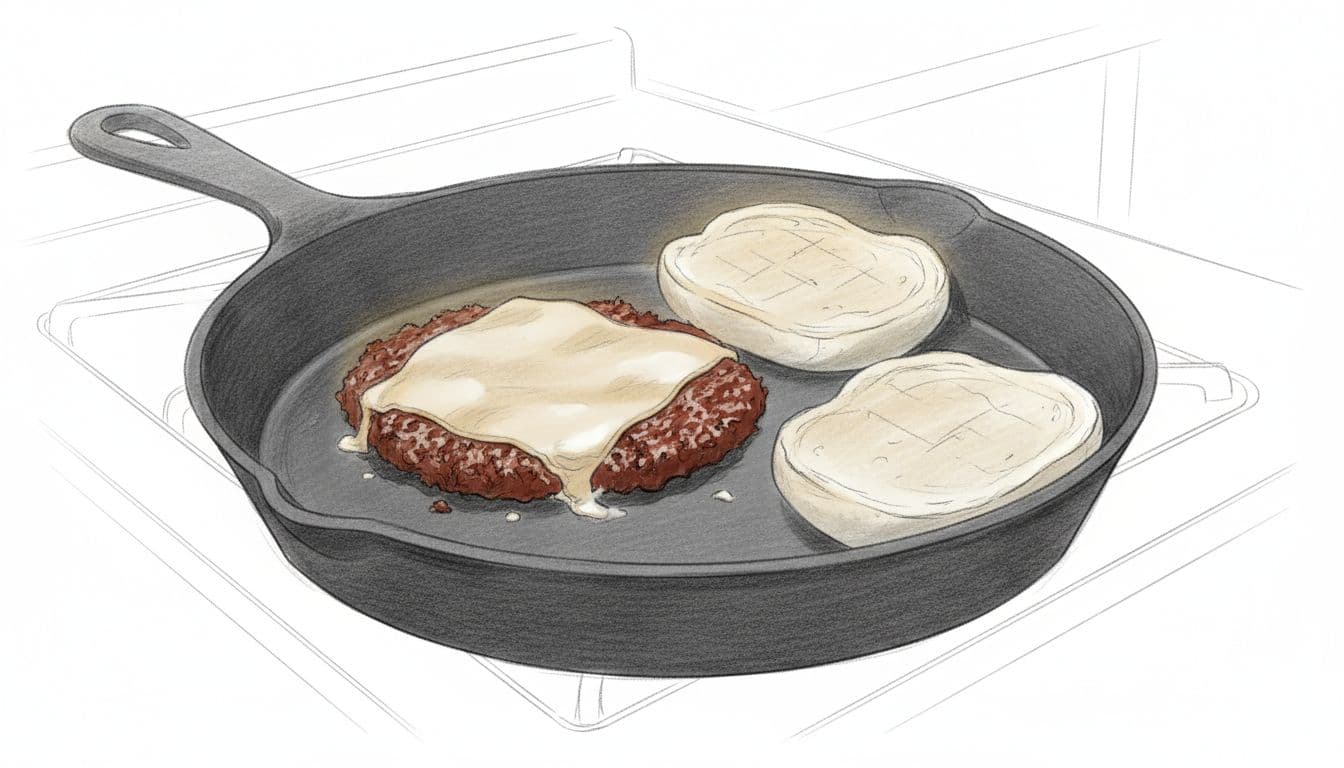
For a classic stack, use two patties. That sounds extra, but thin patties are the whole point. You get more crust, more cheese, and better burger-to-bun balance.
If the burger looks done before you think it should, trust your eyes. Thin patties don’t need long.
Build your first great burger and fix the problems beginners hit
A smash burger is all about balance. You worked for that crust, so don’t bury it under a mountain of toppings.
A simple burger build that lets the beef shine
Start with a toasted bottom bun and a thin layer of sauce. Add your first cheesy patty, then the second. A few pickle slices and some onions bring brightness and crunch. If you want lettuce, keep it light.
That’s enough. The burger should still taste like beef first.
This simple build works because every layer has a job. The bun holds, the sauce adds moisture, the cheese blends everything, and the pickles cut through the richness. It’s the kind of burger people finish fast, then start thinking about a second one before the plate is clear.
Quick fixes for dry, greasy, or uneven smash burgers
Dry burger? The pan may be too cool, or the beef may be too lean. Use 80/20 and cook fast over real heat.
Pale crust? Your surface wasn’t hot enough, or the pan was overcrowded. Give the skillet time to heat and cook fewer patties at once.
Sticking badly? That’s often impatience. Let the crust form, then scrape under it in one firm pass. A weak spatula makes this harder than it needs to be.
Greasy burger? That usually comes from too much beef, too many toppings, or buns that aren’t toasted. Keep the patties thin and the build tight.
Uneven shape? That’s fine. Smash burgers don’t need perfect circles. They need crisp, browned edges and good flavor. Rustic is part of the charm.
Once you make one solid batch, the next round feels easy. That’s what makes these smash burgers so good for social cooking. Fast, crowd-friendly, and forgiving once you know the rhythm.
Final Thoughts
Your first great smash burger doesn’t come from expensive gear. It comes from a hot surface, good beef, and the confidence to smash once and let the crust happen.
Keep the ingredients simple. Trust the timing. Practice once or twice before feeding a crowd, and you’ll walk into the next cookout with a burger that feels easy, looks impressive, and tastes like you knew what you were doing all along.



Leave a Reply