
Best Follow Me Drones in 2026: Tested for Real Adventure Athletes
Heads up: This post contains affiliate links. As an Amazon Associate, TooristX earns from qualifying purchases — at no extra cost to you. We only recommend products we’d actually use ourselves.
Finding a drone that follows you sounds easy until you start shopping. Then it turns into a mess of vague tracking claims, flashy camera specs, and prices that jump fast.
This guide keeps it simple. These are the best follow me drones for real action sports use, biking, skiing, running, and similar stuff, listed from cheapest to most expensive. Not every follow me drone is built for speed, trees, wind, or tight trails, so choosing a budget follow me drone requires balancing price with sensor quality; the right pick depends on your sport, your terrain, and how much hassle you’re willing to deal with.
Key Takeaways
- DJI Mini 5 Pro is the best overall follow me drone for most sports, balancing strong tracking, obstacle avoidance, portability under 249g, and excellent 4K video.
- HOVERAir X1 PRO wins for hands-free running, skiing, and cycling with quick launch and tiny size, but limits in wind and clutter; DJI Neo is the cheap entry for casual use.
- Prioritize tracking tech and obstacle avoidance over specs—essential for trails, turns, and trees; battery life and camera quality make it usable beyond one clip.
- Sport picks: Mountain biking (Mini 5 Pro), skiing (Air 3S for premium footage), running/cycling (X1 PRO), beginners (Potensic Atom 2).
- No drone is magic in dense woods, crowds, or high wind—stick to open terrain and know your local rules.
Quick comparison of the 5 best follow me drones
Prices move around, but these are the going US price points in May 2026.
| Drone | Price | Best use | Tracking | Obstacle avoidance | Flight time | 4K Video | Ease of use |
|---|---|---|---|---|---|---|---|
| DJI Neo | $199 | Casual running, mellow cycling | Basic | No | 18 to 20 min | Okay in good light | Very easy |
| Potensic Atom 2 | $399 | Beginners, slower outdoor use | Decent | No full avoidance | 30+ min | Good value | Easy |
| HOVERAir X1 PRO | $679 | Hands-free running, skiing, quick trail clips | Good at short range | Limited | Short | Sharp enough | Easy |
| DJI Mini 5 Pro | $1,159 | Most sports, best all-around pick | Strong | Yes | 30+ min | Excellent | Moderate |
| DJI Air 3S | $1,099 | Premium footage, tougher wind, harder routes | Strongest here | Best here | Longer | Dual-camera, excellent | Moderate to moderate-high |
The short version? The DJI Neo is the cheap way in. The Atom 2 is the best follow me drone for beginners. The X1 PRO is the easiest hands-free pick. The DJI Mini 5 Pro builds on its predecessor, the DJI Mini 4 Pro, which set a high bar for portability; it is the best overall. The DJI Air 3S is for people who care more about footage than price.
How each drone performs in real-world sports
Every tracking drone has limits. Trees, crowds, side wind, and sudden direction changes still trip them up. That’s true at $199 and it’s still true near $2,000.
DJI Neo, the cheapest way to try a drone that follows you
DJI Neo is the budget pick. At around $199, it gives you palm takeoff, simple follow modes with QuickShots, and almost no setup stress. Pull it out, launch, jog, ride, done.
In the real world, it’s best in open terrain. Think running paths, easy gravel, beach rides, and beginner mountain biking on wide trails. The learning curve is very easy, which is the whole point. The tradeoff is obvious. Short battery life, weak wind resistance, no obstacle avoidance, and a small comfort zone once trees get close. It can follow you, but it doesn’t have much margin for error.
Best for casual running and mellow cycling. Not for all-day filming, hard downhill trails, or sketchy forest lines.
Potensic Atom 2, a beginner-friendly option with a gentler price
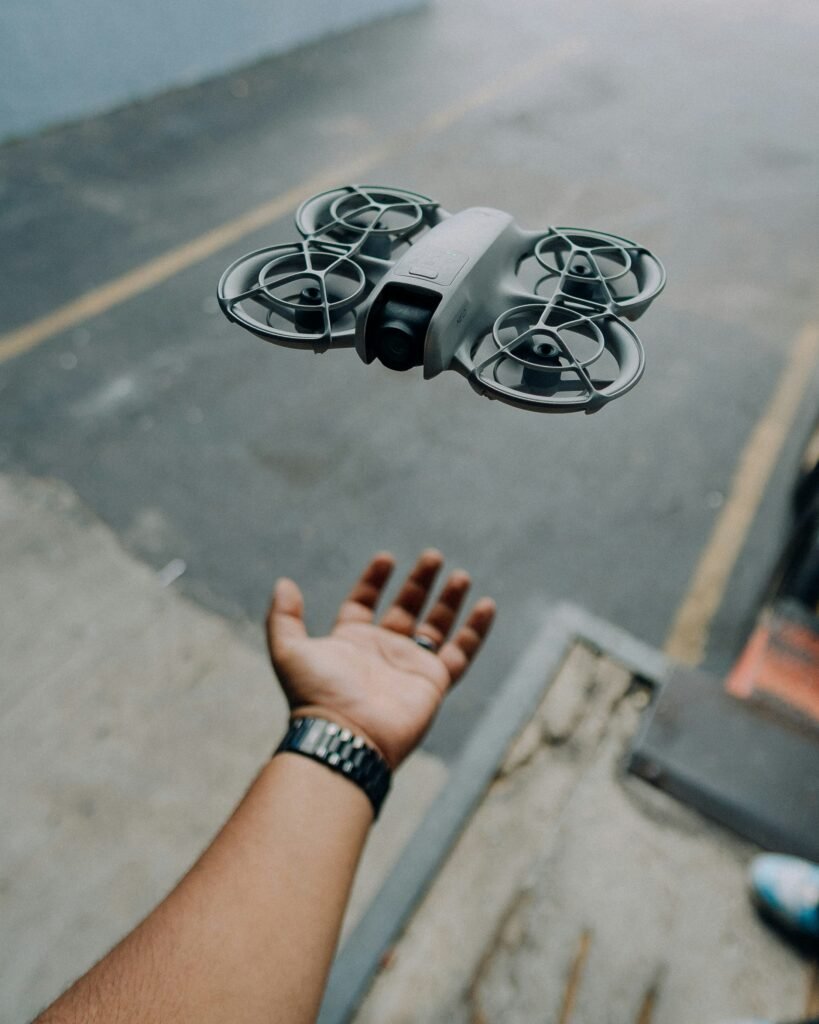
Potensic Atom 2, a solid budget follow me drone, is the one for people who want a little more drone and a little less pain. Around $399 gets you better battery life, a nicer camera with gimbal stabilization than the cheapest stuff, and handling that feels more settled for new pilots.
That said, don’t oversell it. This is not the best follow me drone for mountain biking if you’re charging into sharp turns or tight woods. Tracking looks fine in easier use, but lag and hesitation matter more once speed goes up. The learning curve is easy, maybe the easiest controller-based option here, but it’s still better for hiking, scenic cycling, open-field runs, and simple travel clips.
Best for beginners who want to learn on something useful, not disposable.
HOVERAir X1 PRO, the pocket-sized hands-free pick for action sports
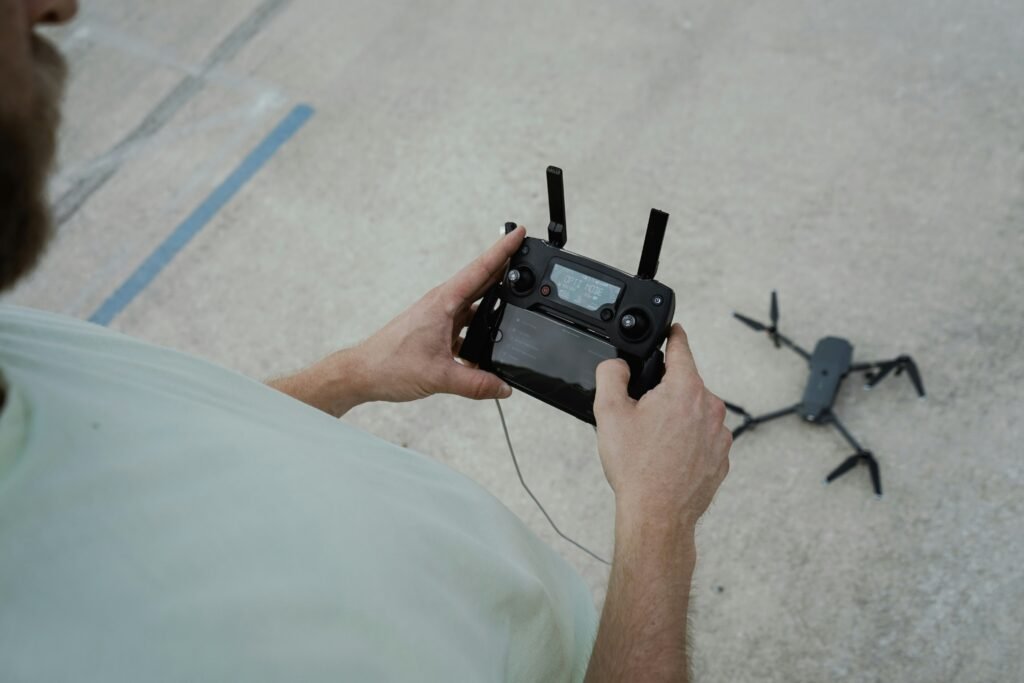
HOVERAir X1 PRO is the easiest drone here to live with. It’s tiny, quick to launch, and built for people who don’t want to fuss with a controller every time they stop on the trail.
For runners, skiers, snowboarders, and solo riders, that matters a lot. It gets in the air fast, tracks without much setup via autonomous flight and subject tracking, and fits the “grab it and go” style better than most drones. I picked the X1 PRO over the PROMAX 8K version because user feedback showed more returns on the PROMAX, and that’s not what you want in a guide for real use. The PRO is the safer call.
The weak spots are range, wind, and clutter. Trees, crowds, and tight spaces still make it nervous. The learning curve is short, but you still need practice with spacing and launch spots. HOVERAir’s cycling page shows exactly who this thing is aimed at.
Best for running, skiing, and quick hands-free clips on open terrain.
Check Availability on Amazon →
DJI Mini 5 Pro, the best overall balance of camera, tracking, and portability
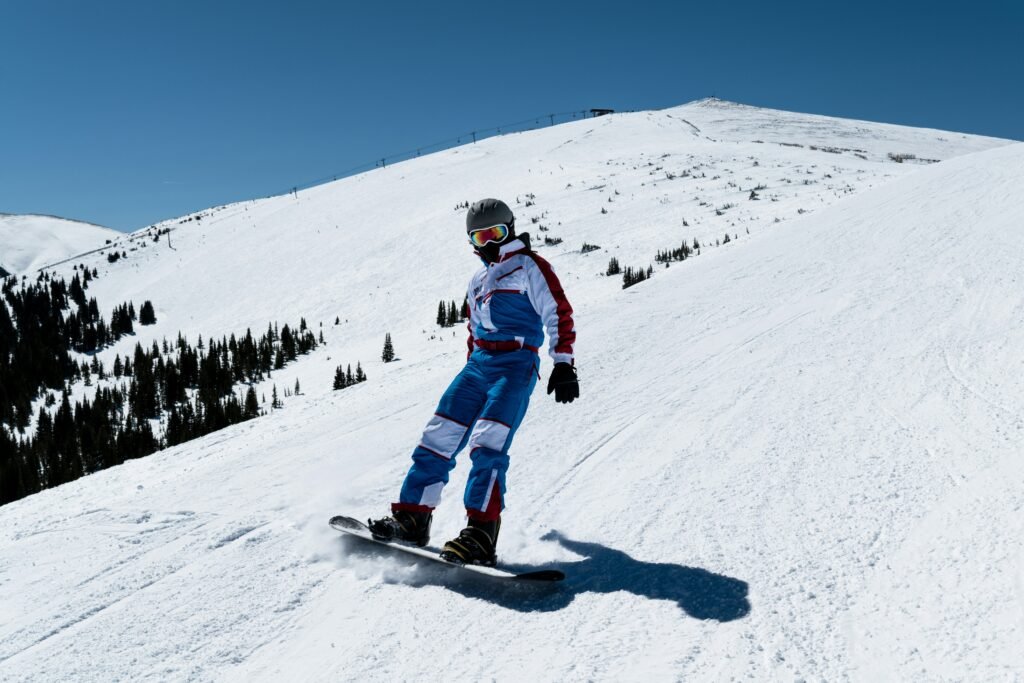
DJI Mini 5 Pro is the sweet spot for most serious buyers. At around $1,159 for the Fly More Combo, it’s not cheap, but it gives you the balance most athletes want, strong tracking with ActiveTrack, a much better camera, useful vision sensors for safety, and a body under 249 grams that’s still easy to carry.
On the trail or slope, this is where a follow me drone starts feeling like a real tool. It handles mixed use well, mountain biking one weekend, ski laps the next, travel clips in between. The learning curve is moderate because there’s more to manage, but that extra control is what makes it work better once things get faster. It still needs room to fly safely, and it isn’t magic in dense woods, but it’s far more capable than budget models.
Best for riders and skiers who want one drone that does a lot well.
DJI Air 3S, the premium choice for the cleanest footage in tougher conditions
DJI Air 3S is the premium pick. Around $1,099 gets you the best footage on this list with its Hasselblad camera for HDR footage, stronger obstacle avoidance via omnidirectional sensing, longer flight time, better wind handling, and a dual-camera setup that gives you more useful shot options without editing tricks.
This is the most capable drone here, plain and simple. It’s also the biggest, the most expensive, and the most likely to bring extra FAA attention because it’s over 250g. The learning curve is moderate to slightly higher than the smaller models, mostly because more drone means more consequence. If you want the cleanest footage on rougher days, and you care about reliability more than size, this is the move.
Best for serious mountain bikers and skiers who want pro-level results.
Which drone is best for your sport and skill level?
Best follow me drone for mountain biking
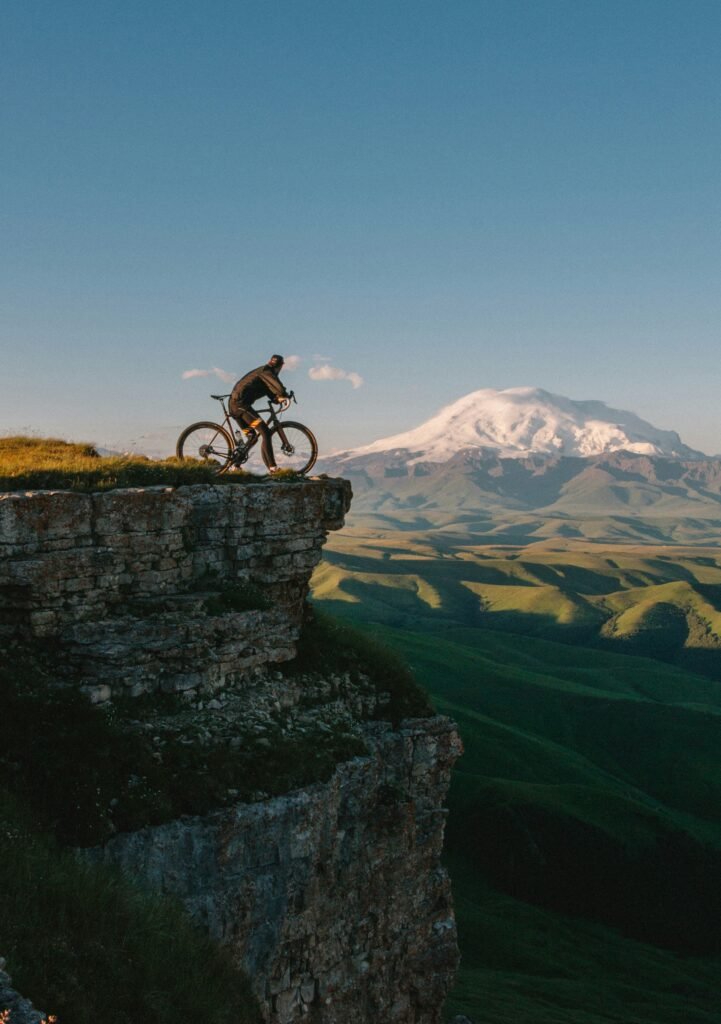
The clear top pick is the DJI Mini 5 Pro. Mountain biking trail riding means corners, speed changes, and surprise branches, so a drone with obstacle avoidance matters more than one extra resolution number. In follow me mode, it delivers automated flying during high-speed runs and uses GPS tracking as a fallback when visual sensors lose sight. On open trails, it tracks well and gives you footage worth keeping. On tight wooded singletrack, no drone is fully stress-free, but the Mini 5 Pro gives you the best balance before prices jump hard. For a premium upgrade, go Air 3S. For a cheap taste of trail footage, go Neo and stay in open terrain.
Best follow me drone for skiing and snowboarding
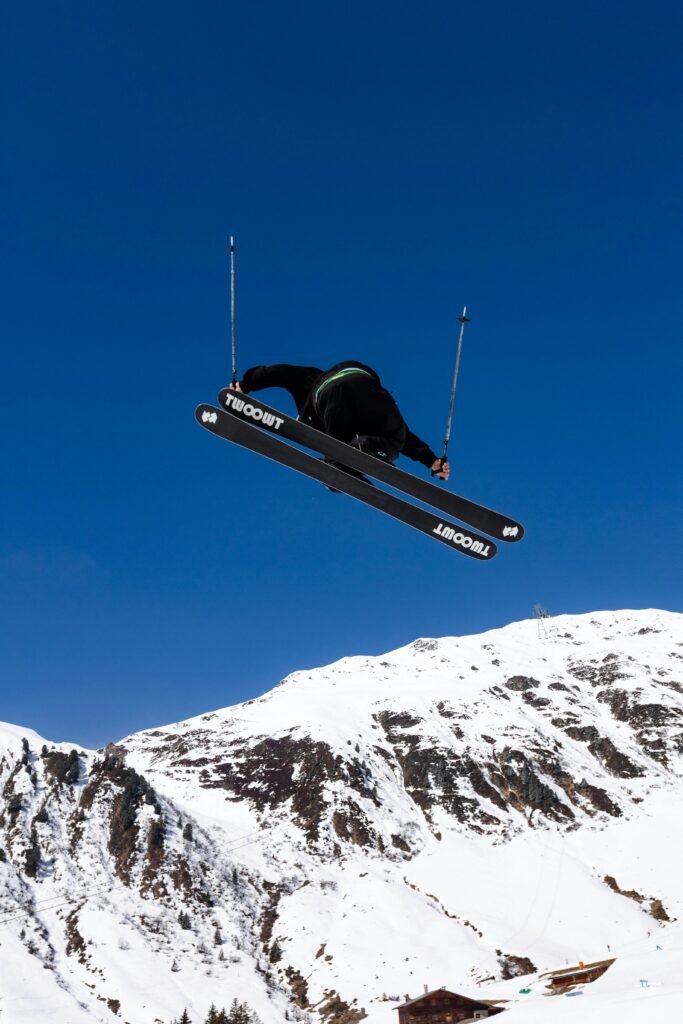
For the best footage, pick the DJI Air 3S. Open slopes and higher speeds reward stronger tracking and better wind handling. If you want the easiest setup, though, the HOVERAir X1 PRO is more grab-and-go, and that matters when your hands are cold and your stop is short. The best follow me drone for skiing depends on your goal, convenience or cleaner footage. Either way, keep it to open runs with clear visibility.
Best follow me drone for running and cycling
The winner here is the HOVERAir X1 PRO. Runners and road cyclists usually want quick launch, tiny size, and simple tracking on predictable routes. That’s exactly where this drone fits. The tradeoff is camera depth and range. If you want better video and don’t mind a controller, the Mini 5 Pro is stronger. For solo athletes who value speed and convenience first, the X1 PRO makes more sense.
Best follow me drone for beginners
The best follow me drone for beginners is the Potensic Atom 2. It’s easier to learn than the more expensive DJI models, but it still feels like a proper drone. Beginners usually care about stable basics, good battery life, and not crashing something that costs a month’s rent. The Neo is even easier, but the Atom 2 gives you more room to grow without turning the first month into homework.
What to look for before you buy a follow me drone
Tracking tech and obstacle avoidance matter more than fancy specs
Basic following is fine in open space. Smarter tracking like ActiveTrack is what matters when you turn hard, pass near trees, or move through changing terrain. Collision avoidance is essential for forest trails, and omnidirectional sensing represents the gold standard for safety. If you’re shopping for one drone with the broadest sports use, buy the model with the best tracking and the best obstacle sensing you can afford.
For trail sports, a drone with obstacle avoidance is worth more than an 8K sticker.
That’s why tiny drones can feel great in a field and shaky in the woods. Current guides on drones that follow you all circle back to the same point, open space is easy, real terrain is the test. As an alternative, 360-degree cameras let you capture follow-me style footage with more flexibility.
Battery life and camera quality decide how useful the drone feels
A short battery turns a fun tool into a toy fast. If your ride lasts longer than one run, battery life matters more than most buyers think. Same with camera quality. If the footage looks soft, shaky, or flat, you won’t use it.
Small drones are easy to pack and launch. Bigger drones usually give you longer flights, better wind handling, and cleaner footage. That tradeoff is the whole buying decision.
When you should not buy a follow me drone
Skip one if you mostly ride in dense forest, train in crowded areas, or want cinematic manual shots every time. These drones also aren’t a smart buy for strong wind days, indoor use without practice, or people who don’t want to learn local rules.
Privacy and safety still matter. So does staying in visual line of sight and following FAA rules when the drone requires it, including FAA registration for drones over 250g. While many fly as hobbyists, those using footage commercially may need a drone pilot license by passing the Part 107 test.
Flying a drone directly over people is generally restricted by aviation regulations, including FAA rules in the United States, which mandate specific safety certifications or equipment requirements for such operations. Even with sophisticated follow-me tracking, you should avoid flying over crowds or individuals who are not part of your immediate activity to ensure safety and legal compliance. Always maintain situational awareness and verify local drone regulations before taking off in populated areas.
In the United States, you must register any drone that weighs more than 250 grams with the FAA if you are flying for recreational or commercial purposes. If your drone weighs 250 grams or less, you generally do not need to register it unless you are using it for commercial operations.
You can complete this process quickly through the official FAA DroneZone website. Always check your local aviation regulations, as some countries have stricter weight limits and different registration requirements.
In the United States, there is no strict minimum age to pilot a drone for recreational purposes, though those under 13 must have a parent or guardian register the aircraft. If you plan to fly commercially, you must be at least 16 years old to obtain an FAA Remote Pilot Certificate.
Always verify local laws in your specific region, as international regulations on operator age and certification can differ significantly from FAA guidelines.
Common questions about follow me drones
Do follow me drones really work?
Yes, in the right terrain. They work best in open areas with clear subject tracking and fewer obstacles. Features like ActiveTrack make them reliable.
Which sport are they best for?
Running, road cycling, skiing, and open-trail biking are the easiest wins. Tight woods are harder for every model.
Are they hard to learn?
Some are easy fast. The Neo and X1 PRO are the quickest to learn. DJI’s larger models take more practice.
Can they fly in snow or wind?
Cold and wind make tracking harder. Skiing works best on open slopes, with autonomous flight helping when wearing heavy gloves, and a drone that handles wind well, like the Air 3S or Mini 5 Pro.
Most consumer follow me drones are not waterproof and are not designed to be flown in rain or wet conditions. Exposure to moisture can damage sensitive internal electronics, motors, and sensors, and slippery surfaces can pose risks during hand-launches or landings.
If you need to film in damp environments, keep the drone safely stored and only fly in dry conditions to ensure the hardware stays operational.
Is the extra cost worth it?
Usually, yes, if you need better tracking, cleaner 4K video footage, and safer flying around obstacles. If you only want occasional clips, cheaper models make more sense.
Conclusion
In this guide to the best follow me drones, the smart budget buy is the DJI Neo. For most people, the DJI Mini 5 Pro delivers the best overall mix of tracking, camera quality, and portability. If money matters less than footage, the DJI Air 3S is the premium answer.
The best follow me drone isn’t the most expensive one. It’s the one that matches your sport, your skill level, and the kind of terrain you actually ride or run in. Athletes, choose yours today based on your specific terrain.

Leave a Reply