
Muscle Recovery for Men Who Train 5-6 Days a Week: The Essentials

You can train hard five or six days a week, or you can recover well enough to keep doing it. Most guys skip the second part, then wonder why their body feels cooked by Thursday.
Heads up: This post has a few Amazon affiliate links. As an Amazon Associate, TooristX earns from qualifying purchases at no extra cost to you. Every product mentioned is something we’d actually buy.
Good muscle recovery has to fit real life, or it won’t last. This roadmap makes sense for high-frequency athletes who train often and don’t want recovery to become a second hobby.
Key Takeaways
- Train hard 5-6 days a week, but build recovery around sleep, daily protein, creatine, and a basic foam roller to avoid overtraining and keep gains consistent.
- Use Amazon Basics Foam Roller for broad muscle stiffness and LifePro Massage Gun for quick hits on tight spots like calves or quads—keep sessions short and automatic.
- Stack simple daily supplements: Vega Protein post-workout, Nutricost Creatine, Sports Research Omega-3, Healths Harmony Antioxidants, and NatureWise Vitamin D to support joints, strength, and overall recovery without complexity.
- Tie everything to real habits—morning supps with food, evening tools while winding down—and consider PT for stubborn issues before adding more gear.
- Consistency beats a big stack: if it feels like homework on a busy day, simplify back to the basics.
The setup at a glance
Here’s the fast overview before the deeper sections. This is recovery for men who train often, not recovery theater.
| Category | Item | Purpose |
|---|---|---|
| Recovery Tool | Amazon Basics Foam Roller 24-inch | Broad pressure to mitigate muscle damage, stiffness, soreness, and post-workout tightness |
| Recovery Tool | LifePro Massage Gun | Quick work on specific tight spots like calves, quads, and glutes |
| Supplement | Vega Protein + Recovery | Easy post-workout protein providing essential amino acids when meals are delayed or appetite is low |
| Supplement | Nutricost Creatine Monohydrate | Daily support for strength, repeat effort, and training output |
| Supplement | Sports Research Omega-3 Fish Oil | Joint support and managing inflammation during high-frequency training |
| Supplement | Healths Harmony Super Antioxidants | General daily support during heavy training blocks |
| Supplement | NatureWise Vitamin D3 5000iu | Fills a common sunlight gap for indoor athletes |
The rest of the post is about how to use this in a practical weekly routine. Nothing fancy, just the pieces that pull their weight.
If your recovery plan falls apart on a busy Wednesday, it wasn’t much of a plan.
The two muscle recovery tools worth keeping in your weekly routine
A lot of recovery for men who train gets overbuilt. You don’t need a drawer full of gadgets. Two physical tools do most of the work here: a foam roller and a massage gun.
One gives broad pressure across larger areas. The other lets you go straight at stubborn spots. Both help with soreness, tightness, post workout recovery, and muscle recovery after workouts that pile up across the week.
Amazon Basics Foam Roller 24-inch: simple pressure that keeps you moving
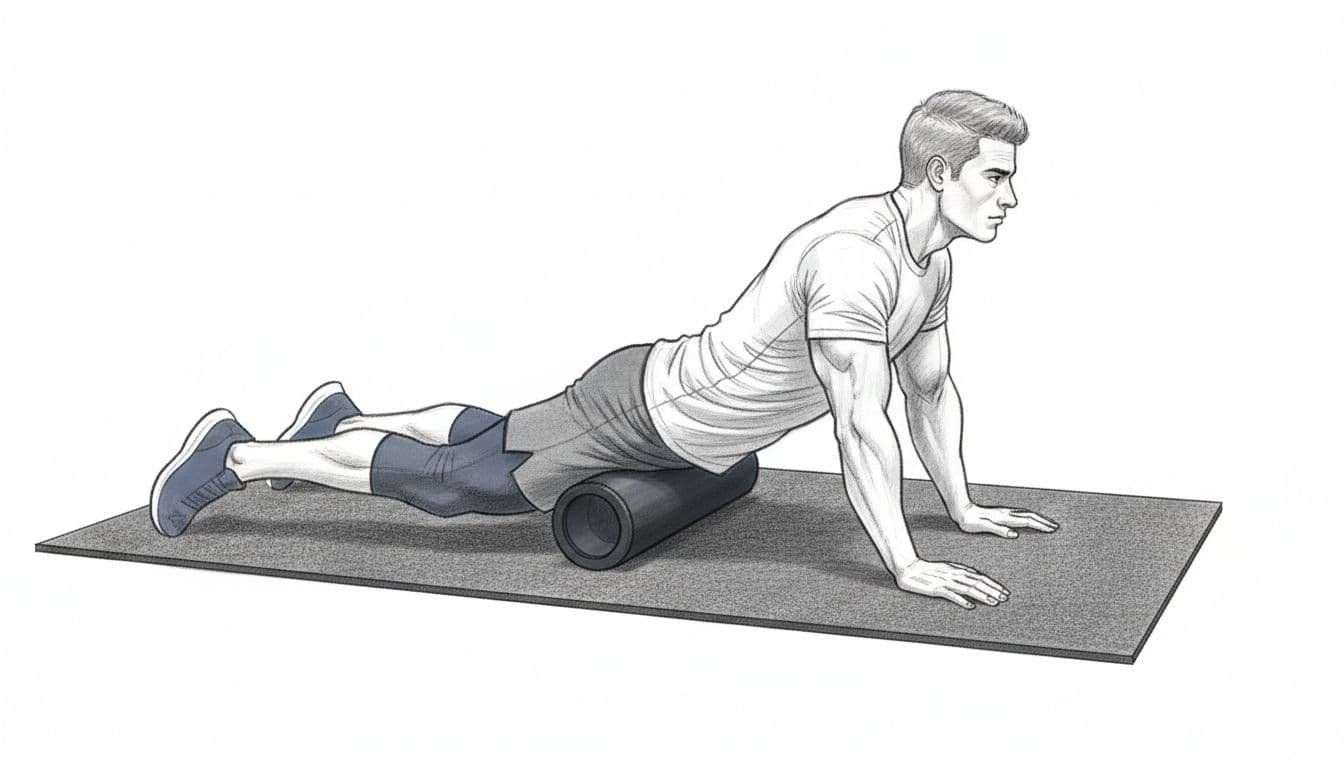
The foam roller isn’t fancy, and that’s why it stays useful. A basic 24-inch roller is enough to work through stiff quads, glutes, hamstrings, and upper back without making recovery feel like a project. It’s most helpful after lower-body training, after long hours sitting, and after high-volume days when everything feels short and beat up. If I had to keep one cheap recovery tool around, this would be it. Amazon Basics Foam Roller 24-inch
### LifePro Massage Gun: a fast way to work on tight spots
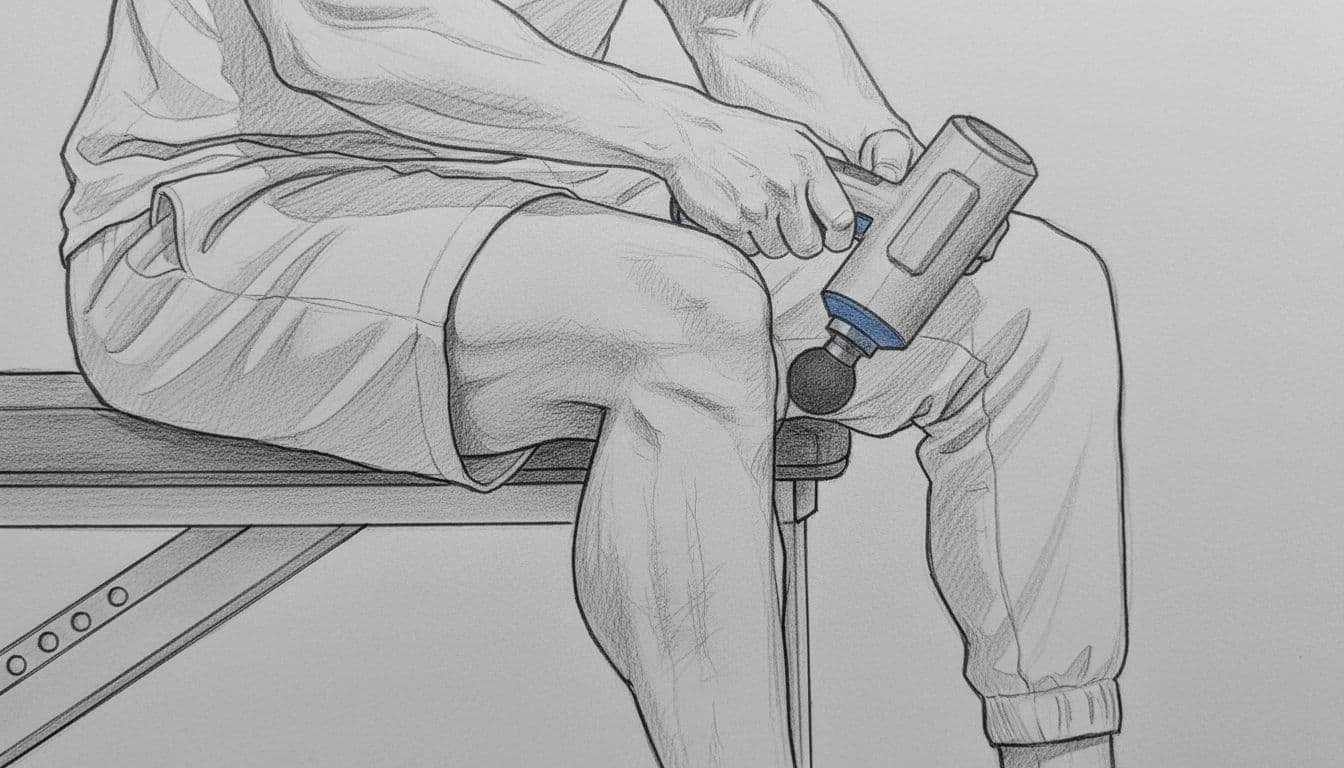
A massage gun is quicker and more specific. It’s great for calves, quads, glutes, and lats when one area is hanging onto tension and you don’t want a full mobility session. Short bursts work best. Think a minute or two per area, not a long routine.
It helps with post workout recovery, but it doesn’t replace mobility work, sleep, or sane programming. It’s a spot tool, and used that way, it’s worth having. LifePro Massage Gun
## The five supplements I use every day for recovery support
Supplements are support. They are not the base. Food, sleep, hydration, and smart training still drive most of your muscle recovery.
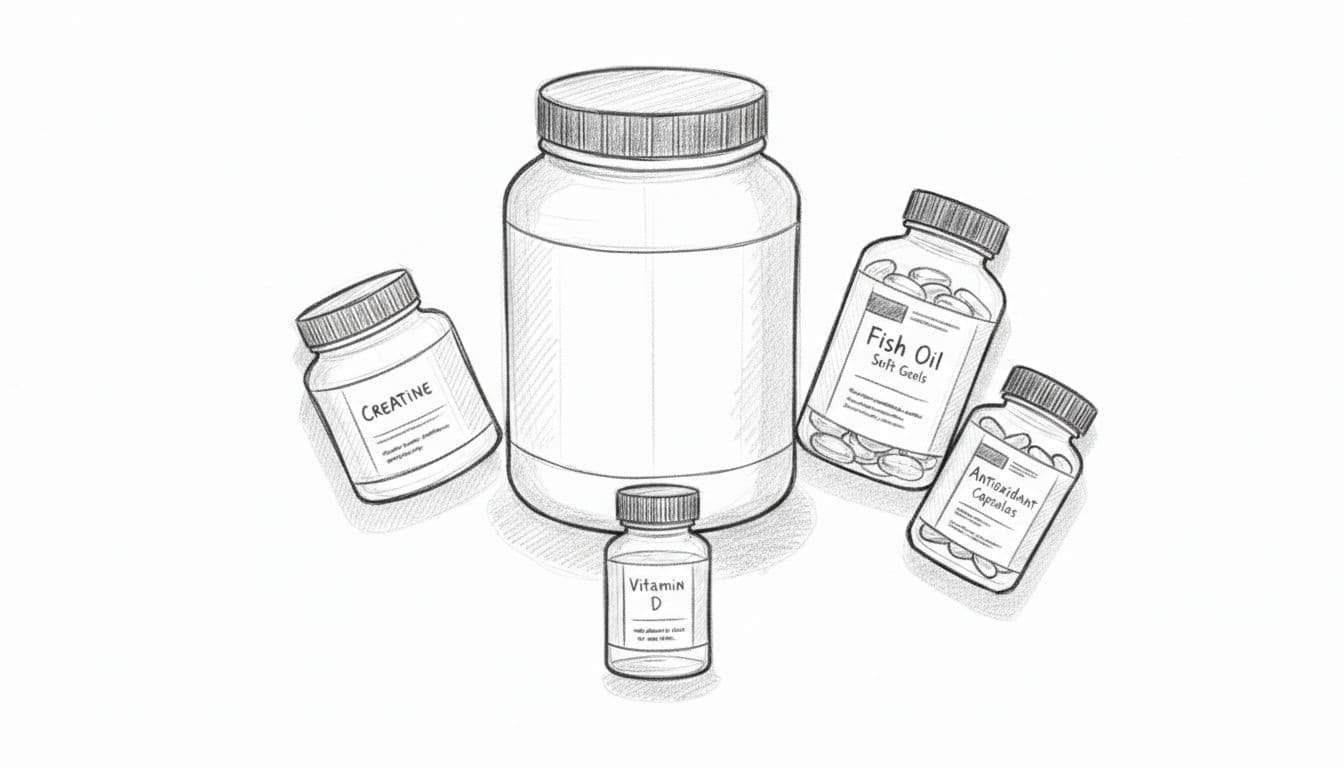
That said, when you train 5 to 6 days a week, a few basics can make the whole week run smoother. This is the stack I keep simple: protein, creatine, omega-3s, antioxidants, and vitamin D. None of them are magic. They help because they’re easy to use every day.
### Vega Protein + Recovery: an easy way to hit protein after training
After training, the biggest problem usually isn’t finding the perfect shake. It’s getting enough protein before the rest of the day takes over. Vega Protein + Recovery makes that easier. The vegan formula gives 30 grams of protein, which is useful on busy days or when appetite drops after a hard session.
I use it to fill the gap, not replace solid meals. For post workout recovery and daily muscle repair, that convenience matters. Vega Protein + Recovery
Nutricost Creatine Monohydrate: the strength staple that supports repeat effort
Creatine monohydrate is still the staple for a reason. It helps support strength, hard effort, and better output across repeated sessions. If you train often, that matters more than a one-day boost. This is one of the most studied supplements in athletic performance, and it has stayed around because it works.
The benefit isn’t instant. Daily use is what counts. For recovery for athletes who want to keep showing up strong, creatine monohydrate is hard to beat. Nutricost Creatine Monohydrate
Sports Research Omega-3 Fish Oil: a smart daily add-on for joint and recovery support
When training frequency goes up, joints usually speak first. Omega-3 fatty acids are a smart daily add-on if you want shoulders, elbows, hips, and knees to feel less irritated over time. I don’t treat it like a fix. I treat it like support while the body handles repeated training stress.
That makes sense for guys who need recovery for tomorrow’s session, not only relief from today’s one. Sports Research Omega-3 Fish Oil
Healths Harmony Super Antioxidants: a simple way to support overall recovery
This is the most general supplement in the stack, and that’s fine. Hard training creates stress. Busy work weeks add more. A simple antioxidant formula can fit into that picture as broad daily support.
I keep expectations normal here. It’s not stronger than sleep or food. It’s a small layer of support that makes more sense than chasing random trendy fixes. Healths Harmony Super Antioxidants
NatureWise Vitamin D3 5000iu: a basic gap-filler that matters
A lot of men train indoors, work indoors, and get less sun than they think. That’s where vitamin D becomes a basic gap-filler, not a miracle fix. If sunlight is low, keeping vitamin D in the routine can support general wellness, consistency, and the steady rhythm that hard training depends on.
I like it because it’s simple. No hype, no drama, just one more basic handled. NatureWise Vitamin D3 5000iu
Why regular physical therapy can beat random self-care
Random self-care is fine until the same tight hip, cranky calf, or locked-up upper back keeps coming back. That’s when regular physical therapy or hands-on muscle release work can beat another gadget. It isn’t only for injuries.
A good PT can help you stay ahead of movement limits, recurring tightness, and stubborn problem spots before they turn into something bigger. For recovery for athletes who keep volume high, a skilled set of hands often does more than another tool sitting in a drawer.
How to use everything in the right order during the day
Keep the order simple. In the morning, take the daily basics you use consistently, creatine, omega-3s, antioxidants, and vitamin D, usually with food. Then train when your schedule allows.
After training, get your protein in as soon as real life makes practical sense. Later in the day, use the foam roller if the whole lower body or upper back feels stiff. Use the massage gun after that on specific tight spots for a minute or two. That’s enough for most days.
The whole system should feel automatic. If it starts feeling like homework, cut it down.
Quick answers before you start
How long does muscle recovery take?
Minor muscle recovery can happen within 24 hours, but heavy sessions often require 48-72 hours depending on your periodization and energy availability.
What matters most if I can only start with a few things?
Start with sleep, enough daily protein, creatine, and a foam roller. That base covers most of what guys miss. Build the boring stuff first, then add more only if you still have a clear gap.
Should tools or supplements come first?
If food is inconsistent, start with protein and creatine. If you’re eating well but stay sore and tight, start with the roller. Most men who train hard end up using both, but the weak link should decide.
How do I use this setup without overcomplicating recovery?
Tie it to habits you already have. Take supplements with meals. Use the roller or massage gun at night while you wind down. If the routine takes too much thought, you won’t stick with it long.
Conclusion
If you train almost every day, rest and recovery has to be a discipline, not a luxury. Not flashy, not crowded, and not built around whatever trend showed up this month.
A few smart tools, a few useful supplements, solid meals, and enough sleep will beat a bigger stack you never use. Start with the essentials, keep them in rotation, and let consistency carry the load.


Leave a Reply